Phase 3
Precision Surgery
What happens during the procedure itself — the technique, the focus on precision, and the immediate post-operative period.
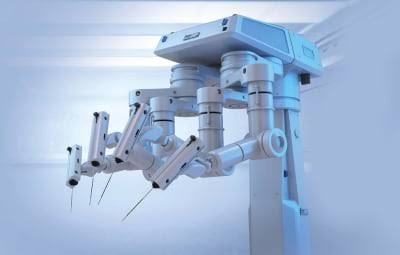
Every procedure is approached with the same underlying focus: technical precision, minimizing trauma wherever possible, and protecting healthy function alongside treating the underlying problem. The key points below summarize the focus during surgery; more detail on what happens follows.
Inside the operating room
Once you're settled under anesthesia, the surgical team runs through a final safety check before beginning — confirming the procedure, the surgical site, and the plan agreed on beforehand. Throughout the operation itself, the same three priorities guide every decision: treating the problem completely, protecting healthy surrounding tissue and function wherever it's safe to do so, and continuously monitoring for anything that needs attention. For minimally invasive or robotic-assisted procedures, this means small incisions and magnified precision rather than a large open approach — though the underlying surgical goals stay exactly the same either way.
Waking up
Immediately afterward, you're moved to a recovery area where trained staff closely monitor your vital signs as the anesthesia wears off. This period can feel disorienting — grogginess, mild confusion, or not remembering parts of it clearly are all normal. Once you're stable, you're transferred to your hospital room, which marks the beginning of the next phase: recovery.
Key points for this phase
Precise, deliberate technique — often minimally invasive or robotic-assisted where appropriate
Continuous monitoring throughout, with a structured approach to managing any complications
Function preservation prioritized wherever it's safe to do so, alongside treating the underlying problem
Close recovery-area monitoring immediately afterward as anesthesia wears off
Transfer to your hospital room once stable, beginning the recovery phase
Common questions about this phase
Duration varies significantly by procedure type and individual case complexity, and is discussed with you beforehand as part of surgical planning.