Uro-Oncology
Comprehensive, precision-focused surgical care for cancers of the kidney, bladder, prostate, and urinary tract.
Problem & Diagnosis
Cancers of the urinary tract — including kidney, bladder, and prostate cancer — are often found through a combination of imaging (ultrasound, CT, or MRI), blood or urine markers, and biopsy, sometimes after a patient reports symptoms like blood in the urine or unexplained pain, and sometimes as an incidental finding during evaluation for something else entirely. Early, accurate diagnosis is central to planning treatment that controls the cancer while preserving as much normal function as possible, and staging — understanding exactly how far the cancer has progressed — shapes every decision that follows.
Procedure & Precision
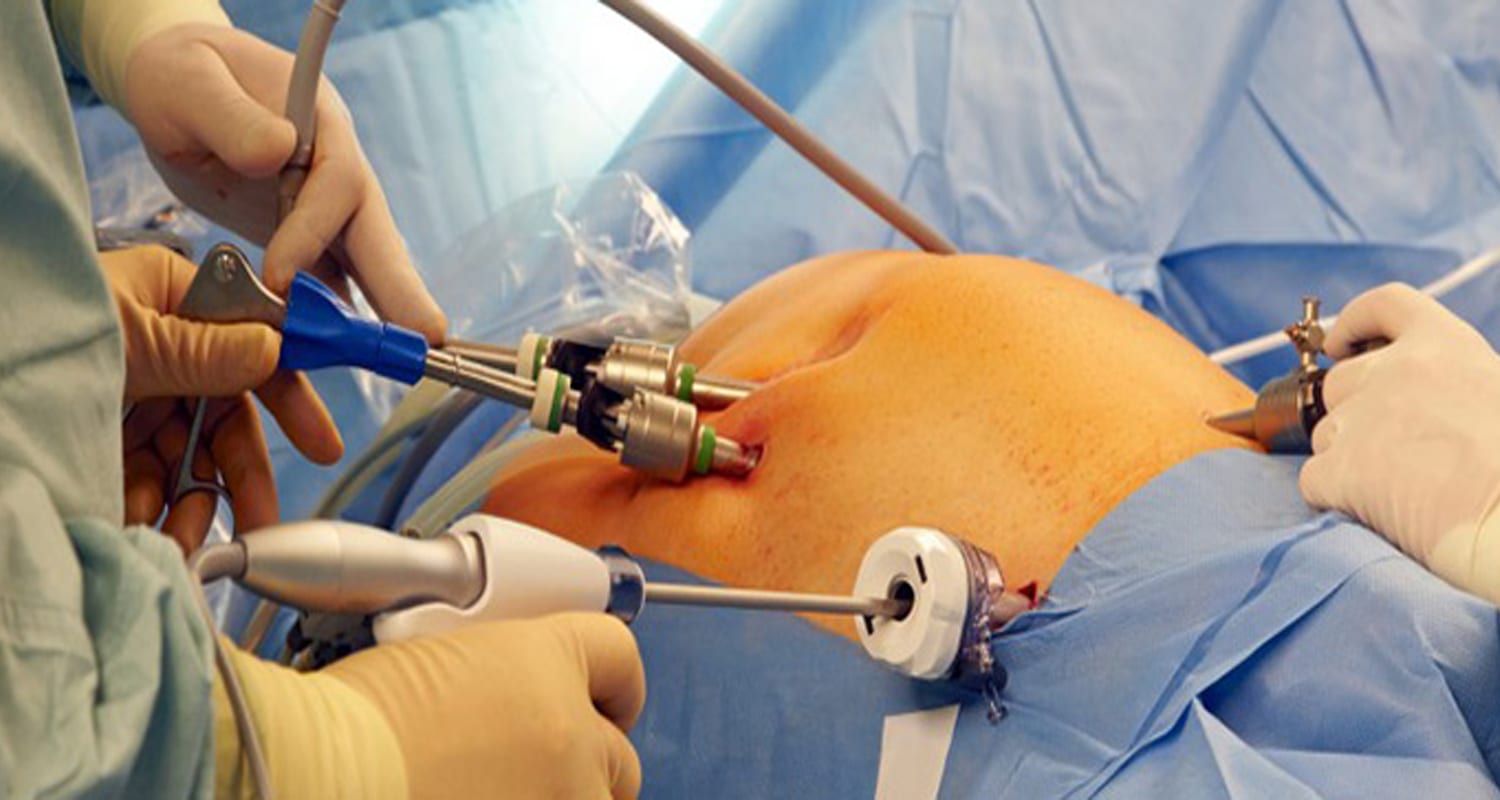
Treatment is planned around each cancer's stage, grade, and location, drawing on minimally invasive and robotic-assisted techniques where appropriate, alongside open surgery where that remains the right clinical choice. The goal in every case is the same three-part balance: removing the cancer completely with clear margins, preserving healthy surrounding tissue and function wherever oncologically safe, and minimizing the complications that come with major surgery. For some patients, surgery is combined with other treatments as part of a broader care plan.
Life & Recovery
Recovery timelines vary considerably by procedure and cancer type, but minimally invasive and robotic approaches generally mean shorter hospital stays and a faster return to daily activity than traditional open surgery. Follow-up care includes regular monitoring — typically imaging and check-ups on a structured schedule — to watch for recurrence and support long-term recovery, alongside honest conversation about what changes, if any, to expect in day-to-day function.
Dr. Peerzada explains uro-oncology
What this approach is built to achieve
Cancer Control
Complete surgical removal of the cancer with clear margins.
Precise dissection guided by detailed pre-operative imaging and, where appropriate, robotic-assisted magnification and instrument control.
- Careful pre-operative staging and planning
- Margin assessment during and after the procedure
- Lymph node evaluation where clinically indicated
- Close post-operative surveillance for recurrence
The strongest possible foundation for long-term cancer-free outcomes.
Function Preservation
Protect nearby organs and function wherever the cancer allows.
Nerve- and organ-sparing techniques used whenever oncologically safe to do so.
- Case-by-case assessment of what tissue can safely be preserved
- Precision instrument handling to protect surrounding structures
- Nerve-sparing approach where appropriate
- Rehabilitation guidance where function is affected
Cancer treatment that considers quality of life, not just survival.
Minimized Complications
A safer surgical experience with fewer post-operative issues.
Minimally invasive and robotic-assisted approaches that reduce blood loss, trauma, and infection risk.
- Smaller incisions and reduced tissue trauma where robotic or laparoscopic access is appropriate
- Structured peri-operative care protocols
- Careful blood loss management during surgery
- Proactive monitoring during recovery
A smoother recovery and lower risk of complications requiring further intervention.
Uro-Oncology addresses cancers affecting the kidney, bladder, prostate, and broader urinary tract. This is one of the most technically demanding areas of urology, requiring a careful balance between completely removing the cancer and preserving as much healthy function as possible — a balance that shapes every decision from diagnosis through recovery.
No two cancer diagnoses are quite the same, even within the same organ. Stage, grade, location, and a patient's overall health all shape what the right treatment plan looks like, which is why staging and pre-operative planning are treated as seriously as the surgery itself — getting this right is what makes precise, function-preserving surgery possible in the first place.
Dr. Peerzada Faisal Masood's training in minimally invasive and robotic surgical techniques supports this balance — aiming for thorough cancer control alongside a recovery process that respects each patient's quality of life, with honest, clear communication at every stage about what to expect.
Common questions about uro-oncology
Treatment planning is based on the cancer's type, stage, grade, and location, along with your overall health. This is discussed in detail so you understand the reasoning behind the recommended approach.