Reconstructive Urology
Surgical repair of structural conditions affecting the urinary tract, restoring normal function.
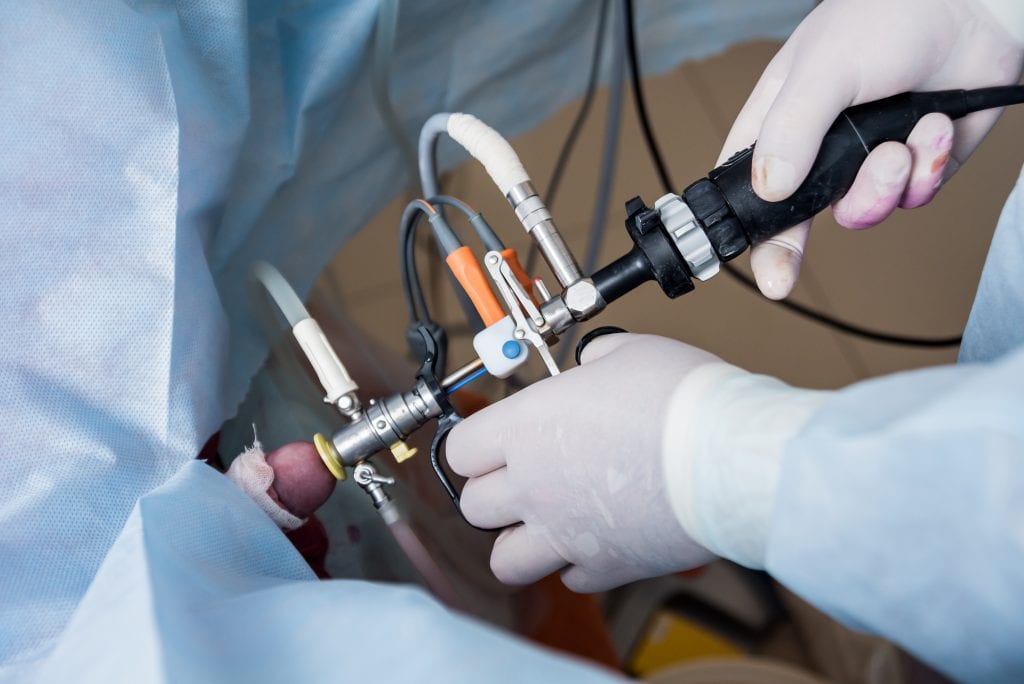
Problem & Diagnosis
Reconstructive urology addresses structural problems within the urinary tract — such as strictures, injuries from prior surgery or trauma, or congenital conditions — that affect normal urinary function, sometimes causing pain, recurrent infection, or difficulty passing urine. Diagnosis typically involves imaging and functional studies to map the exact nature, location, and extent of the problem before planning repair, since the success of reconstruction depends heavily on understanding precisely what needs to be rebuilt.
Procedure & Precision
Reconstructive procedures are among the most technically demanding in urology, often requiring meticulous, layer-by-layer surgical repair to restore normal anatomy and function using the body's own tissue. Minimally invasive and robotic-assisted approaches are used where they offer the same reconstructive precision with less trauma than open surgery, though some complex reconstructions still call for a traditional open approach depending on the anatomy involved.
Life & Recovery
Recovery depends heavily on the specific reconstruction performed, and may involve a temporary catheter or stent to protect the repair while it heals. Clear guidance is provided on activity restrictions during this healing period, along with follow-up imaging or studies at defined intervals to confirm the repair is healing well and functioning as intended before restrictions are lifted.
Dr. Peerzada explains reconstructive urology
What this approach is built to achieve
Restored Function
Return normal urinary flow and function wherever anatomically possible.
Precise, layer-by-layer surgical reconstruction tailored to the specific defect.
- Detailed pre-operative mapping of the affected segment
- Meticulous tissue handling to support healing
- Tension-free repair technique
- Post-operative studies to confirm restored function
A durable, long-term solution rather than a temporary fix.
Durable Repair
A reconstruction built to last, minimizing the chance of the problem recurring.
Using well-established reconstructive techniques matched to each patient's specific anatomy.
- Careful selection of the appropriate reconstructive technique
- Attention to blood supply and tension-free repair
- Use of well-vascularized, healthy tissue for reconstruction
- Structured follow-up to catch any early signs of recurrence
Fewer repeat procedures and greater long-term reliability.
Minimized Trauma
The least invasive approach that still achieves a complete repair.
Robotic-assisted or laparoscopic techniques used wherever appropriate for the reconstruction involved.
- Case-by-case evaluation of minimally invasive suitability
- Reduced blood loss and tissue trauma where possible
- Careful post-operative pain management
- Structured recovery and activity guidance
A more comfortable recovery without compromising the quality of the repair.
Reconstructive urology involves surgical repair of structural problems within the urinary tract — often technically demanding procedures that require careful, precise reconstruction using the body's own tissue to restore normal function, sometimes years after an original injury or complication first occurred.
These aren't one-size-fits-all repairs. The right reconstructive technique depends on exactly where the problem is, how it developed, and what tissue is available to work with — which is why careful diagnostic mapping before surgery is treated as just as important as the operation itself.
Dr. Peerzada Faisal Masood brings his training in minimally invasive and robotic-assisted surgery to this work, aiming for durable, function-restoring repairs with as little trauma to the patient as the specific reconstruction allows, and clear, honest guidance throughout recovery about what to expect.
Common questions about reconstructive urology
This includes conditions such as urinary tract strictures, injuries from prior surgery, and certain congenital abnormalities affecting normal urinary function.